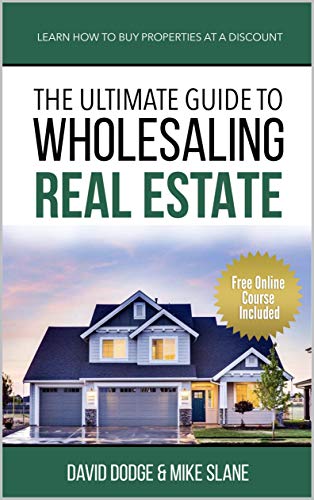
Exploring the Legitimacy of Wholesaling Houses
The practice of wholesaling houses is gaining traction, leading to questions about its legal standing. In this piece, we'll explore the factors that determine if wholesaling houses is a legitimate practice. Knowing the legal framework helps you navigate wholesaling responsibly. Topics include what wholesaling entails, potential legal pitfalls, and best practices. So, let's begin our exploration into whether wholesaling houses is a legitimate investment strategy. Gaining clarity on this topic can influence your real estate investment decisions. You'll be better prepared to decide if wholesaling aligns with your investment goals and values.
The wholesaler acts as a middleman, facilitating transactions without owning the property outright. This strategy requires minimal capital investment and offers the potential for quick returns. Being informed about laws and ethical considerations helps you avoid pitfalls. Expert opinions from Wholesaling Houses Info real estate investing blog will provide depth to our exploration.
The Basics of Wholesaling Houses
In real estate wholesaling, you act as an intermediary between a motivated seller and an interested buyer. The wholesaler does not intend to purchase the property but instead sells their contractual rights for a profit. Because you're not buying the property, the financial barriers to entry are low. Grasping how wholesaling works helps in determining whether it's a lawful practice. Clarifying these differences aids in understanding the legal nuances of wholesaling. By comprehending the fundamentals, you can better navigate the complexities surrounding wholesaling. Proper execution of wholesaling practices ensures compliance with legal requirements.
The process starts with identifying distressed properties or owners eager to sell quickly. Building relationships with buyers ensures a smooth and efficient transaction process. Being open about your role and intentions helps prevent misunderstandings. It's important to use contracts that allow assignment to avoid legal complications. Compliance with best practices solidifies wholesaling as a credible investment strategy. Staying informed through reliable sources supports your success and legitimacy.
For more information on real estate investing, go to: real estate investor tools
The Legal Framework of Real Estate Wholesaling
People often wonder if acting as a wholesaler requires a real estate license. In most jurisdictions, wholesaling is legal as long as you have a contractual interest in the property. However, advertising the property itself without disclosing your contractual position may be problematic. Being aware of local laws is crucial to ensure compliance and avoid penalties. Well-drafted contracts protect your interests and uphold the legality of the transaction. Professional legal advice ensures that your wholesaling practices align with state laws. Compliance with regulations establishes wholesaling as a lawful investment strategy.
Understanding the difference between acting as a principal and acting as an agent is crucial. Disclosure is key to maintaining legality in your wholesaling activities. Some jurisdictions may require you to perform certain actions to comply with real estate laws. Using standardized contracts recommended by industry professionals can enhance legality. Continuous education demonstrates professionalism and commitment to lawful practices. Staying connected with industry experts keeps you informed.
The Ethics of Wholesaling Houses
Beyond legality, ethical practices are essential in wholesaling to maintain integrity and reputation. There are concerns that wholesalers may exploit sellers' situations for personal gain. Being honest about your intentions and providing clear information helps foster positive relationships. Educating sellers about the process protects them and reinforces ethical standards. Honesty about your capabilities strengthens your reputation and ethical standing. Treating all parties with respect and professionalism enhances the legitimacy of wholesaling. Ethics play a significant role in establishing wholesaling as a respectable practice.
Building long-term relationships is more beneficial than seeking short-term gains. Providing value to sellers enhances your ethical standing and business success. Honesty with buyers builds credibility and reduces the risk of disputes. Adhering to established codes of conduct reinforces your commitment to ethics. Self-assessment helps you identify areas for improvement and uphold integrity. Engaging with communities dedicated to ethical wholesaling can provide guidance and support.
Clarifying Misunderstandings About Real Estate Wholesaling
Misunderstandings about the process lead to unfounded concerns about legality. Legitimate wholesaling adheres to legal standards and ethical practices. Another myth is that wholesalers need a real estate license to operate. Confusion often arises between wholesaling and acting as a real estate agent without a license. In reality, wholesaling requires knowledge, skill, and diligence to be profitable and legitimate. By educating yourself and others, you can overcome these misconceptions and approach wholesaling effectively. Debunking falsehoods reinforces the lawful and ethical nature of wholesaling when done correctly.
Misconceptions can deter potential investors from exploring wholesaling opportunities. Accessing reliable information dispels doubts and fosters informed participation. Open dialogue encourages learning and dispels misinformation. Understanding the commitment needed leads to more successful outcomes. By addressing these misconceptions head-on, you strengthen the legitimacy of wholesaling. Knowledge sharing elevates the entire industry and its participants.
Best Practices for Legitimate Wholesaling
Proper documentation is the foundation of legitimate wholesaling. Disclose your role and intentions to all parties involved in the transaction. Regularly updating your understanding of laws prevents inadvertent violations. Work with real estate professionals, such as attorneys and licensed agents, when necessary. Treat sellers and buyers fairly, offering reasonable terms and honoring your commitments. Avoid making unrealistic promises or misrepresenting properties or your capabilities. Adherence to guidelines solidifies the lawful nature of your wholesaling.
Ongoing learning ensures your practices remain current and compliant. Network with other wholesalers to share experiences and insights. Organized processes lead to more consistent and successful transactions. Ethical handling of information is essential in maintaining professionalism. Responsiveness to feedback shows commitment to excellence and ethical practice. Thorough record-keeping supports transparency and accountability. Consistent application of best practices establishes you as a reputable wholesaler.
Examples of Successful and Legitimate Wholesaling
There are numerous examples of wholesalers who operate legitimately and profitably. For instance, wholesalers who focus on distressed properties help revitalize communities. Wholesalers who maintain transparency and fairness often receive repeat business and referrals. Collaboration with licensed professionals enhances legitimacy and reach. Case studies show that wholesaling can be a win-win for sellers needing quick solutions and investors seeking opportunities. These examples demonstrate that wholesaling houses is legitimate when conducted properly. Case studies provide valuable insights for aspiring wholesalers.
Analyzing these case studies reveals common threads of legality, ethics, and professionalism. These wholesalers often emphasize education, continuous improvement, and adherence to best practices. Case studies offer valuable knowledge that can be applied to your business. These stories demonstrate that legitimacy and profitability go hand in hand. Your success story can inspire and guide new wholesalers. Accessing these examples through reputable sources enhances your understanding and confidence.
Wrapping Up the Legitimacy of Wholesaling Houses
In conclusion, wholesaling can be a lawful and respectable practice in real estate. Compliance and honesty are the cornerstones of legitimate wholesaling. Awareness and education mitigate risks and enhance legitimacy. Adopting guidelines ensures your activities are respected and lawful. Wholesaling offers opportunities for investors willing to operate within the established framework. Networking with experienced wholesalers enhances your knowledge and legitimacy. Applying these concepts leads to lawful and fulfilling wholesaling experiences.
Dedication to these principles fosters long-term success and respect. By leveraging industry resources and expert insights, you can enhance your skills and knowledge. Take the time to build a solid foundation in wholesaling principles and practices. Aligning your actions with your values enhances the rewards of your efforts. Let this information guide you toward legitimate and successful wholesaling. Success awaits those who pursue wholesaling with integrity and excellence. Begin your journey today, confident in the legitimacy of wholesaling houses when done right.
For more information on real estate wholesaling, go to: real estate wholesale software